
A good Indian meal has movement to it. Bread gets passed around, rice carries the sauce, and a spoonful of chutney or pickle can change the whole plate. It is relaxed, lively, and personal. Everyone can eat the way they like, but the food still feels connected.
Indian food has huge regional variety, from coastal dishes with coconut and tamarind to northern breads, dals, grills, rice dishes, and deeply spiced curries. Anyone who wants a wider overview can start with this introduction to Indian cuisine, but the real pleasure is in tasting how different every kitchen, family, and region can be.
The Table Does the Work
What we like most is the balance. A rich curry feels better with soft naan. A smoky grill comes alive with salad, onion, mint, or lemon. Rice carries sauce. Pickles and chutneys add sharpness. Lentils bring comfort. Nothing has to do everything on its own.
That is why sharing suits Indian food so well. The table becomes a mix of heat, freshness, softness, crunch, richness, and spice. You do not need a perfect order or a formal way to eat it. You just keep passing, tasting, and finding new combinations.
Spice Brings Depth
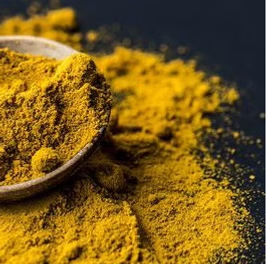
Spice is often mistaken for heat, but it does much more than that. Cumin can taste smoky and grounding. Cardamom can bring a clean, fragrant lift. Coriander seed has a gentle citrus warmth. Cinnamon and cloves can round out savoury food without making it sweet.
Handled well, spice gives a dish shape. It can make a sauce deeper, a marinade warmer, or a simple bowl of rice more interesting. Good spice opens food up instead of covering it.
Why It Stays with You
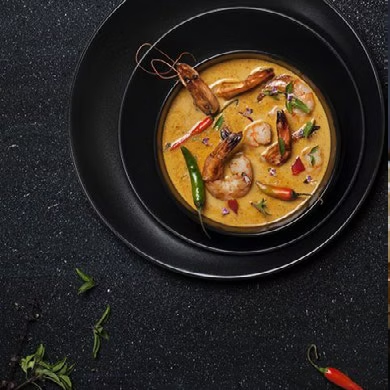
Indian food stays with people because it gives everyone a way in. There is room for heat, comfort, fresh sides, rich sauces, and simple bread or rice. A shared table lets all of it work together.
That is the point, really. Indian food is full of flavour, but it is also full of invitation. It asks people to pass things around, taste a bit of everything, and enjoy the meal together.